Furnace Repair in Longmont Gets the Heat Back On
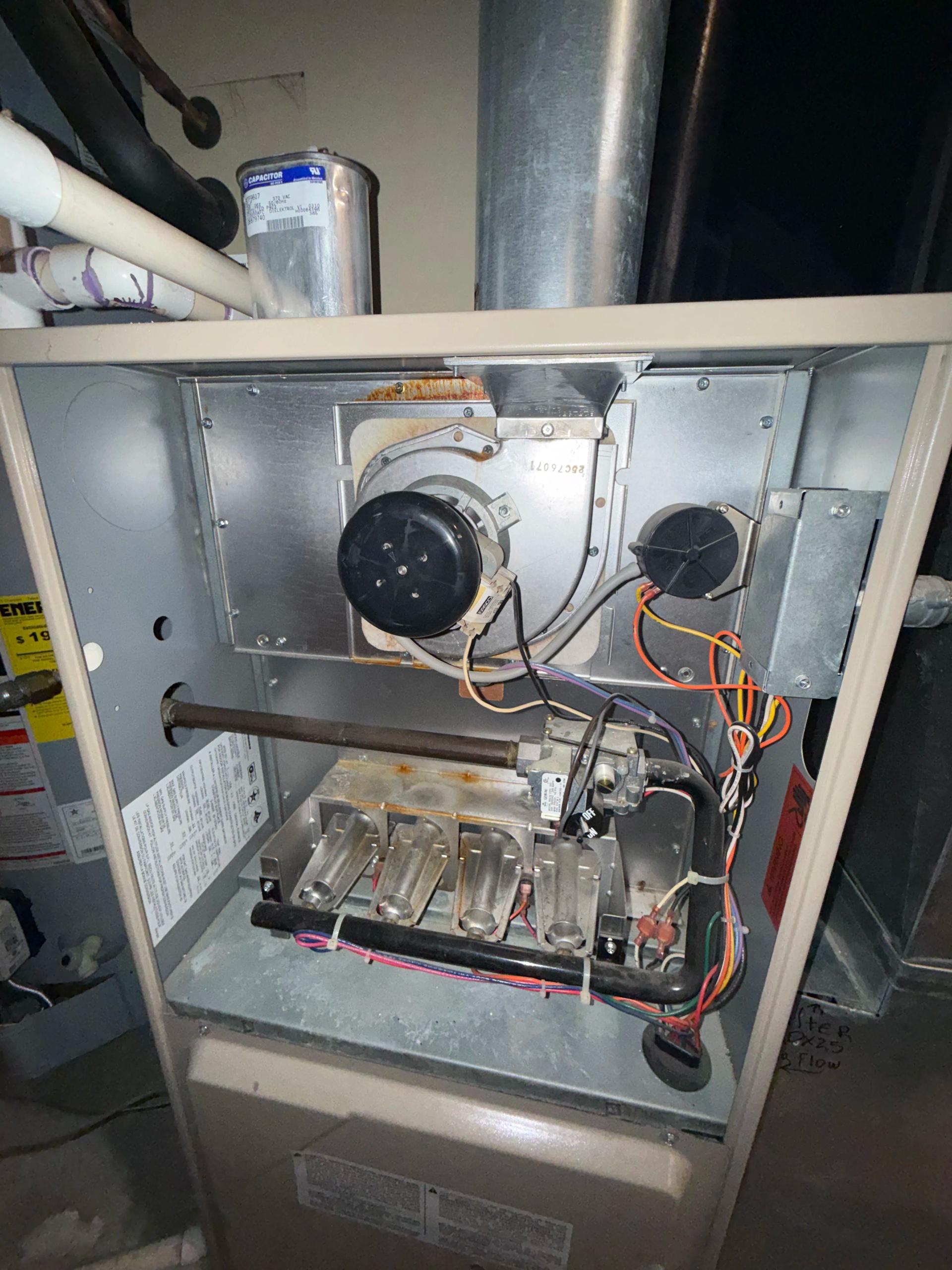
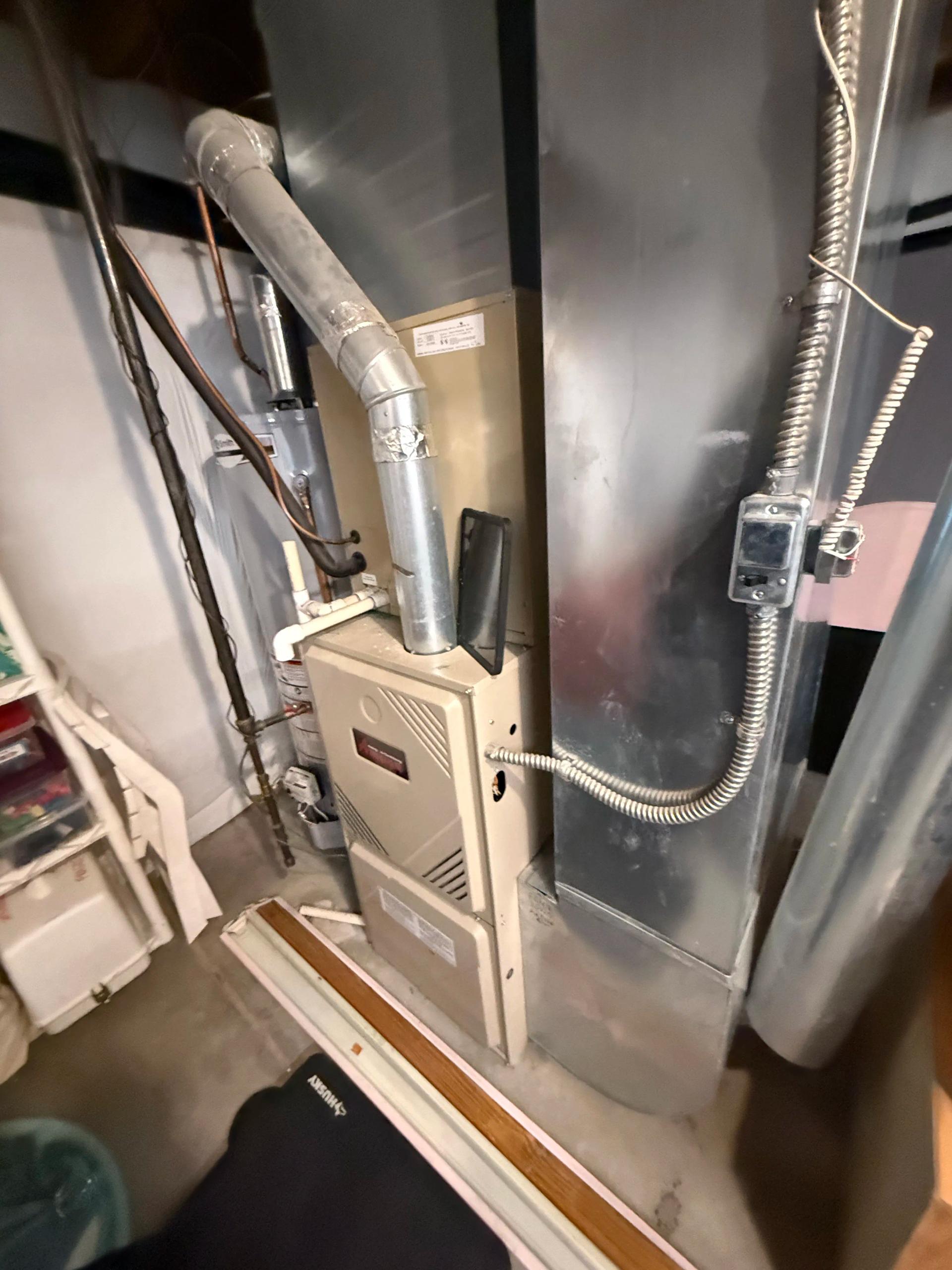
Nobody wants to wake up to a cold house. When a Longmont homeowner called us with no heat, we got out there, opened things up, and started diagnosing from the inside out.
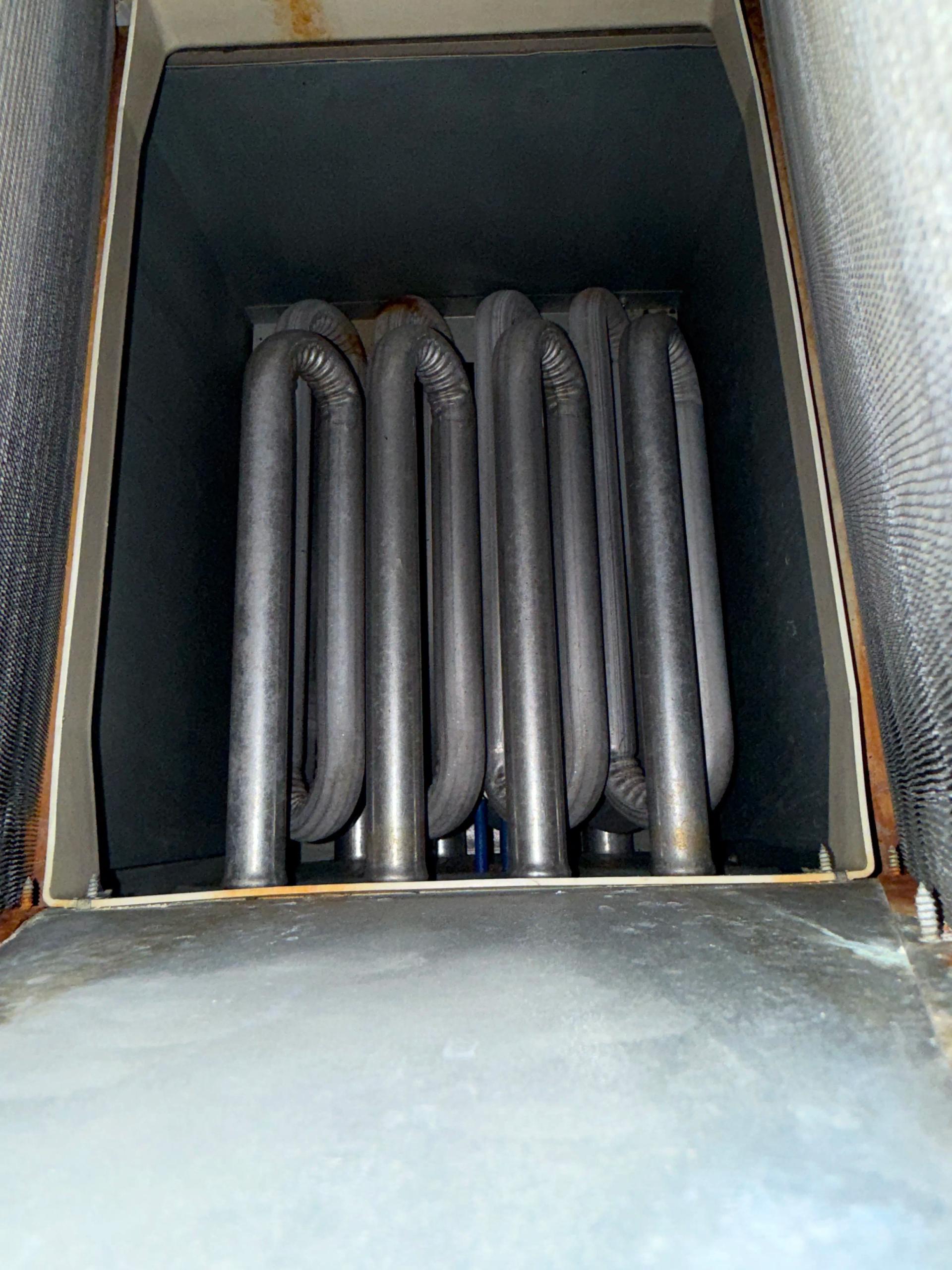
Here's what we were working with - an older gas furnace that had stopped doing its job. When we pulled the panels, we could see the inducer motor, the burner assembly, and the heat exchanger section up close. Getting eyes on the internals is the only way to know what's actually causing the problem. A furnace throwing error codes or just refusing to run can have several different root causes, and you have to work through them systematically.
The heat exchanger is one of the most critical parts of any gas furnace. It's what transfers heat to the air moving through your home - and it's also a safety component. A cracked or failing heat exchanger can allow combustion gases to mix with your indoor air. That's why we always inspect it carefully during a furnace repair, not just fix the obvious issue and move on.
We got this system repaired and back up and running. That's really what it comes down to - getting a home warm again without cutting corners on the inspection. If your furnace is making odd noises, short-cycling, or blowing air that never seems warm enough, those are signs worth paying attention to before the system quits on you entirely.
Catching a problem early almost always means a simpler, less expensive fix. Fall is a natural time to get your furnace looked at, but honestly, any time it starts acting up is the right time to call.